We started this blog with an advent calendar for 2020 summarizing the highlights of our research year and presenting ourselves. Since we have continued that tradition.
Category: Advent calendar
Door 4: Do you like floods?
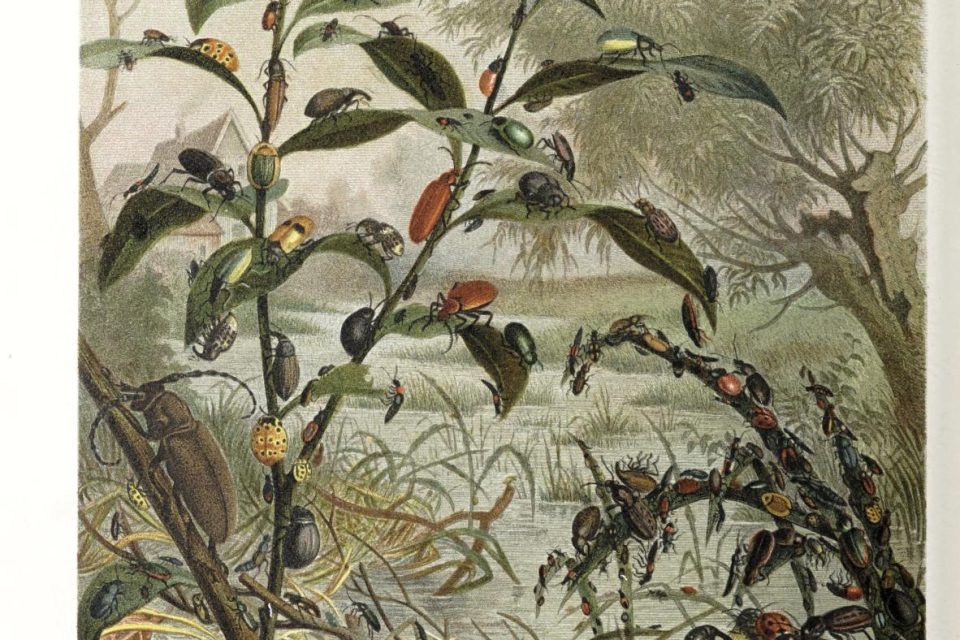
When floods are mentioned, what first comes to mind is a disastrous catastrophe wrecking houses, devastating crops and, occasionally, even costing human lives. Yet, what may be a bad news for an average human could be a strike of luck for a beetle collector. Imagine flood water covering […]
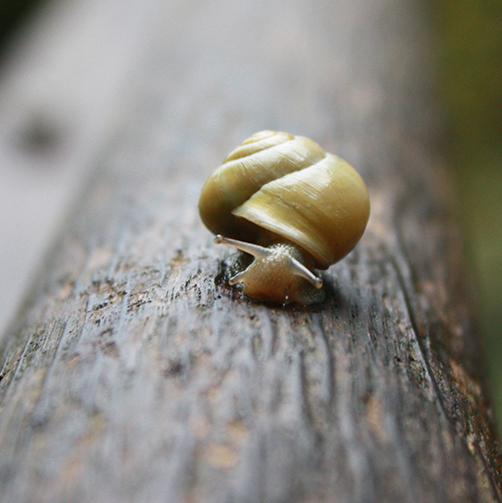
Door 3: How stable can a genome be?
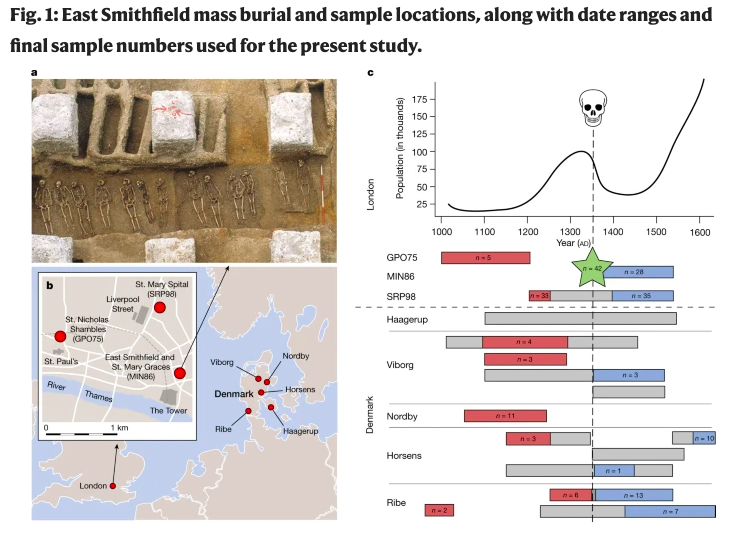
The answer to this question may lay in the paper I am presenting today and at some level genomes seem to be very stable. It was probably one of the most discussed papers at the museum this year. It was the topic of several journal clubs and shows […]
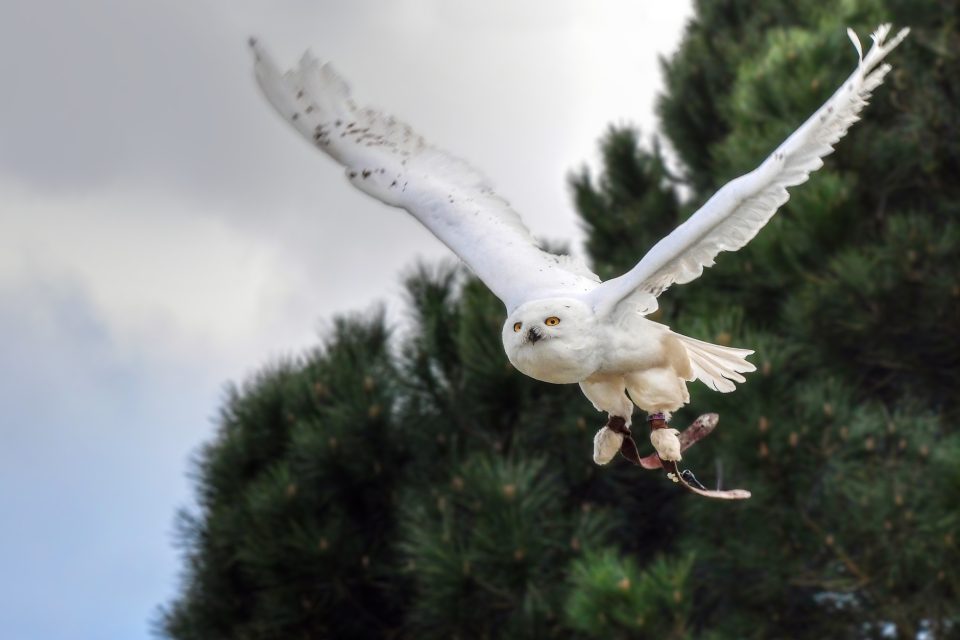
Door 2: Can distinction lead to extinction in birds?
Although I am working almost exclusively with marine invertebrates, one of my favourite papers this year was about birds. Hughes et al. (2022) set a quite ambitious goal: to test whether the loss of species threatened with extinction could lead to morphological and phylogenetic homogenization across the entire […]
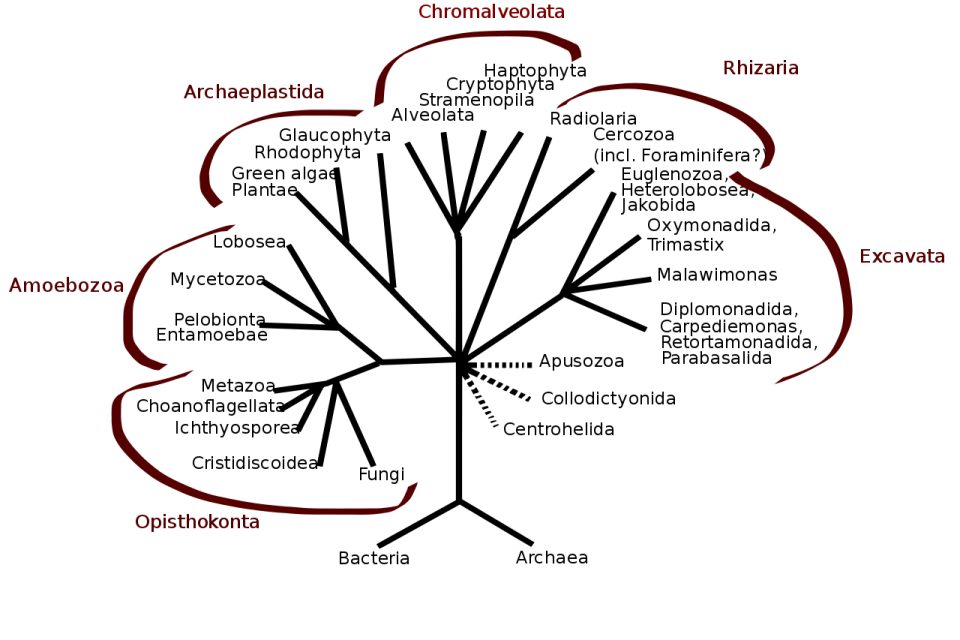
Door 1: The origin of animals and fungi
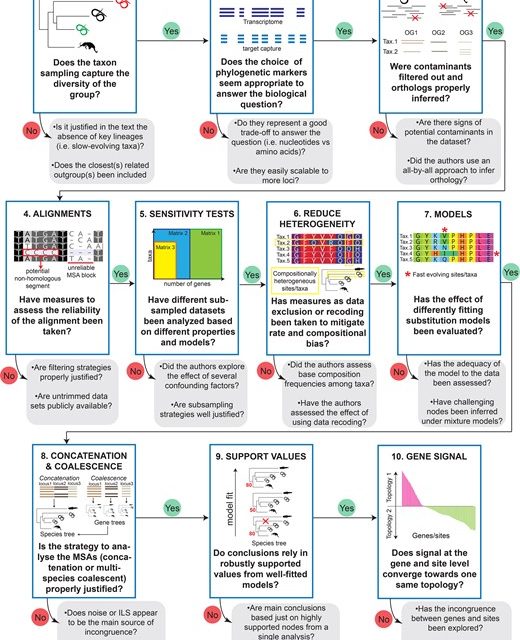
Although frequently neglected, animals and fungi share a close evolutionary relationship. Despite the huge differences in morphology, ecology, life history and behaviour they represent the two major lineages within Opisthokonta, a clade that was earlier referred to as the “Fungi/Metazoa group” in the Tree of Life. You may […]
The FEZ Advent Calendar 2022
By now it is already a good tradition for the FEZ group at the Natural History Museum Oslo to provide in December an advent calendar blog. In previous years, the focus was on our own research and scientific output. This year we thought to take a different approach. […]

International Seasons Greetings
Christmas is just around the corner, so it’s time to open the last door of our advent calendar. We hope you enjoyed this year’s wrap up. 2021 was a demanding year, but quite successful for our group, so we still have a lot to celebrate! We wish all […]
Catching up! Door 22 – Progresses and challenges during 2021
Everyone has missed a day of ticking off advent as some point! Making today a two-for-one post day! Enjoy! By Alberto Valero-Gracia This year has been a bit peculiar for most of us. However, as with most of our colleagues at the NHM, the FEZ group has always […]
Door 23: The origin of the Islandic beetle-fauna
By Vetle Løveng Since last year’s entry, I have yet to come to a conclusion on the origin of the Islandic beetle-fauna. All the collecting and lab work is done, what remains is the bioinformatic analysis. The dataset that was produced is fairly comprehensive, and hopefully there is […]
Door 21 – Persistent considerations for molecular analyses of museum specimens
Many factors come into play when making decisions about using museum specimens, especially for molecular applications. As a museum scientist that utilizes molecular methodologies, I am constantly conducting experiments in my mind to try to run through how each step and/or technique will (or won’t) get me to […]
What’s in a Postdoc? Life inside the gears of the academic machine
When we head home for the holiday period, I’m sure many of us will end up in chatting away to a relative or family friend we haven’t seen in far too long, only to be confronted with that ever-present question of: “What do you do for a job […]
Identification of African staphylinid beetles
Identification of African staphylinid beetles can be challenging. Many genera have never been revised, and descriptions of their species are scattered in different papers, published by different authors at different times, often without illustrations or comparison among related species. Staphylinid beetle genus Philonthus is represented in the Afrotropical […]
Finishing the tale of stone
In last year’s advents calendar, we presented the Master theses of two students. One of the students, Stian Aleksander Helsem has successfully defended his thesis this year. I still remember the first time we met. He came into my office being interested in writing his Master thesis with […]
Door 17 – The teaching portfolio of the FEZ group
Academic teaching is a central task and a key element of the self-conception of universities. Yes, teaching is time consuming and needs commitment of the academic teacher. But it is also highly rewarding. All FEZ members are highly dedicated to providing excellent training to the next generation biologists. […]
Out of all things, why marine invertebrates?
By now, everyone knows that a lot of us in FEZ are working with marine invertebrates. But why? Aren’t these just weird worms that do nothing but crawl on the ocean floor? Not really, and I’ll try to explain why. From the 34 phyla of the Animal kingdom, […]
Door 15: Cryptic species and public outreach
An essential aspect of doing research and working as a scientist is to communicate to the larger public interesting and important results. Outreach to the public is extremely important, as it creates awareness and fascination as well as it facilitates learning and understanding. For many, the topics we […]
Field Trip to Sylt
By Alberto Valero-Gracia In my second post of the advent calendar, I would like to share with you some of the pictures I’ve taken during our field trip to Sylt (Germany), a very nice island with sandy beaches in which a lot of tradition on the study of […]
Door 13: Christmas Excitement at the Museum
“On the thirteenth day of Christmas my true love gave to me”…an unbridled curiosity of organismal diversity and their relationships, historical contexts, and the natural world that has directly informed my career. Me too! While my fascination of the natural world isn’t directly related to the holidays, I […]
Maths and Models: The Mechanics of Invertomics
As the nights get longer and the end of the year draws ever nearer, the FEZ advent calendar gives us the opportunity to introduce what we’ve been working on this year to everyone. My role in the group is tied to the Invertomics project, the quest for a […]
Exploring coastal beetle fauna of the Sakhalin island
Most species of the hydraenid beetle genus Ochthebius are associated with fresh water habitats e.g. creek margins. One clade, the vandykei group, succeeded in a very different habitat, fissures and crevices of the supralittoral coastal rocks on both sides of the northern Pacific. One species of this group […]
Stygocapitella – an incredibly old worm found beneath your beach towel
Species of the genus Stygocapitella belong to the ringed worms, also known as Annelida. Annelids are worms like earthworms, lugworm or christmas tree worms, but also leeches or very tiny worms living in the spaces between the sand grains, called the interstitium. Such an interstitial group of worms […]
Door 9: Bowhead whales – giants of Arctic waters
Bowhead whales (scientific name Balaena mysticetus) are baleen whales that spend the entire life in the Arctic and subarctic waters. They are named after their characteristic triangular skull that allows them to break through ice for breathing. They are 15-20 meters long and may weigh up to 100 […]
Meet the critters from the Artsdatabanken project
After introducing the Artsdatabanken project and telling about our summer collection trips (Trøndelag and Oslo), it is time to present the six invertebrate groups that we are working with. From star ascidians to Christmas-tree worms, this seems to be the adequate time of the year to get to […]
December 7: How are the Aegialites-beetles?
A year has passed since the last update on my project related to the Aegialites-beetles. Throughout the year, the project has moved slowly forward with some minor corona-bumps in the way. The intended fieldwork to Japan is still postponed, but trough Vladimir, we have managed to get a […]
Field Trip to Roscoff
By Alberto Valero-Gracia In this blog post I will briefly comment about our first field trip outside Norway, a trip done to sample at the Station Biologique de Roscoff (France). During this trip (3rd – 17th of September, 2021), my supervisor, Prof. Torsten Struck, and I, were able […]
Door 5: Modern DNA Sequencing Meets Oslo Natural History Museum Wet Collections: Testing the Impact of Age and Formalin
Pia Merete Eriksen, Rita M. Austin In June 2021, I, Pia M Eriksen, conducted a research project under the guidance of Rita M Austin to sequence herptile type specimen DNA using in-house sequencing techniques, supported by Oslo Natural History Museum and UiO: Life Sciences. Now, 5 months later, […]