Door 24: Merry Christmas everyone from the FEZ research group

The previous 23 doors of the FEZ advent calendar 2022 opened every day for a paper published this year that group members found particularly interesting. The list is by no means exhaustive, but we hope you found the presentations inspiring. Maybe you will download and read one of […]

Door 23: Bugs in a teacup!

Door 23! Advent is almost over and a new year is on the horizon – and with a new year comes new ideas and opportunities in life and research alike. For my article, I’ve chosen to present “The bug in a teacup—monitoring arthropod–plant associations with environmental DNA from […]

Door 22: Tapping into Personal Genetics from Keepsakes – Breakthroughs and Concerns

Direct to consumer genetic testing of family heirlooms and keepsakes (e.g., used stamps, baby teeth) provide insight into genealogy and ancestry. Published earlier this month, one of the direct consequences of the sequencing revolution and increasing affordability of genetic testing has been direct to consumer (DTC) services and […]
Door 21: Insects are fun!

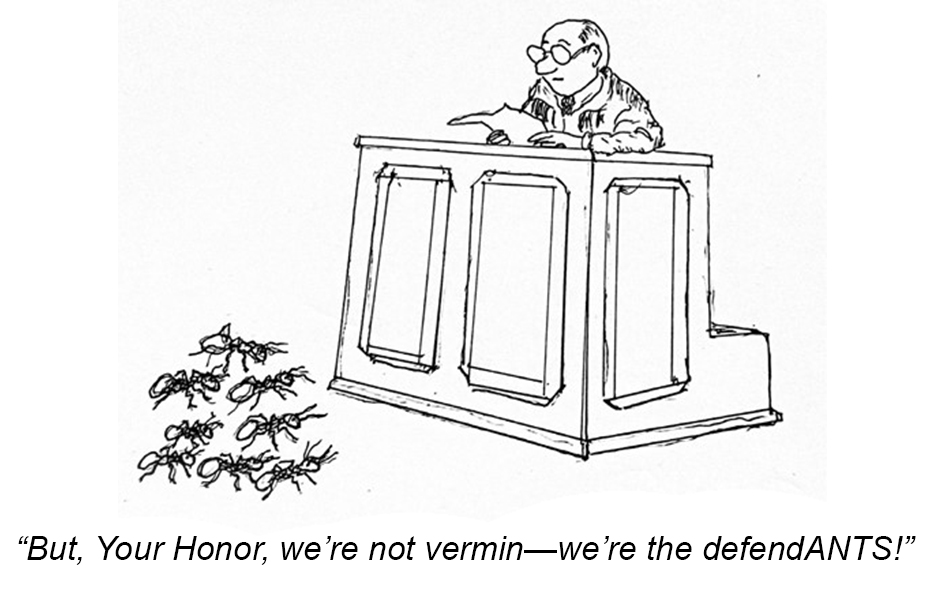
Among my favorite papers of 2022, as always, are the quarterly contributions to the American Entomoligist by May R. Berenbaum: “Terms of Art and Terms of Arthropods” https://doi.org/10.1093/ae/tmac051, “Sew-Sew Jokes” https://doi.org/10.1093/ae/tmac032, and “Bowl Games” https://doi.org/10.1093/ae/tmac006. Dr Berenbaum can write about anything related to entomology, and this year her […]

Door 20: Graham Budd – one of the greatest paleontologists of our time

As previously said, during this year FEZ advent calendar I have decided to briefly present you three works: a research paper, a researcher interview, and a book. For this occasion, my last contribution to this year FEZ advent calendar series, I would like to point out a publication […]
Door 19: A mysterious crustacean

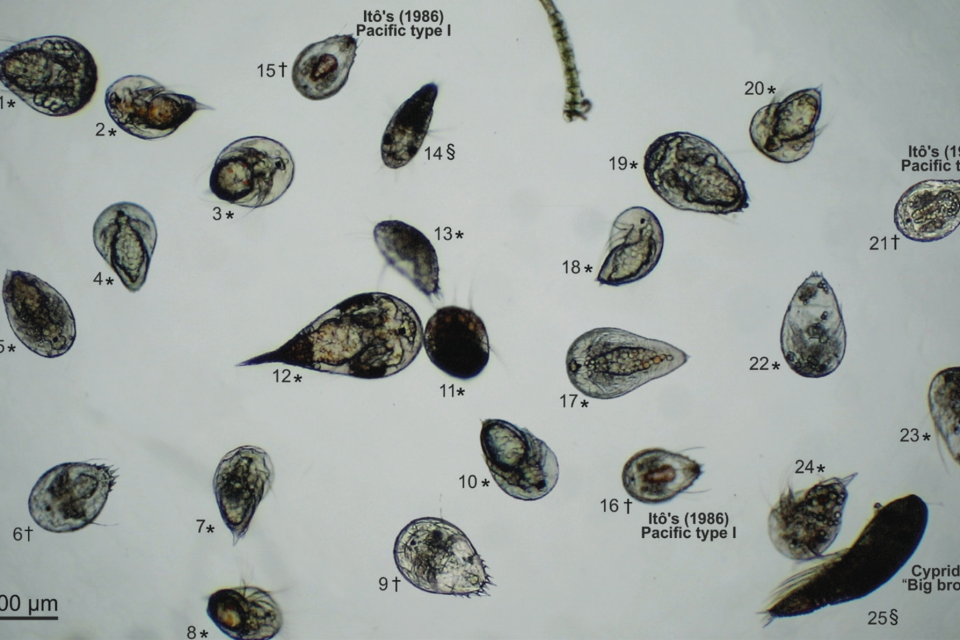
For my second entry in our advent calendar, I will again present a taxonomic paper. This time it is surprisingly not about worms, but about a rather intriguing group of crustaceans, Facetotecta (Figure 1). It is a small group of about 14 species, all in the genus Hansenocaris. […]
Door 18: Ancestors in Evolutionary Biology: Linear Thinking about Branching Trees

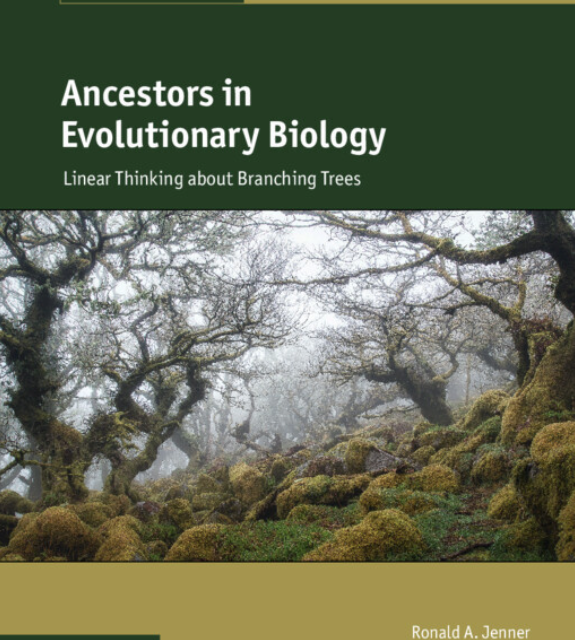
As commented on a previous post of this 2022 Frontiers in Evolutionary Zoology advent calendar I have decided to briefly present you three works: a research paper, a researcher interview, and a book. Today, it is the turn of posting one of my favorite scientific books of the year. At least in life […]
Door 17: The carbon footprint of our computational analyses

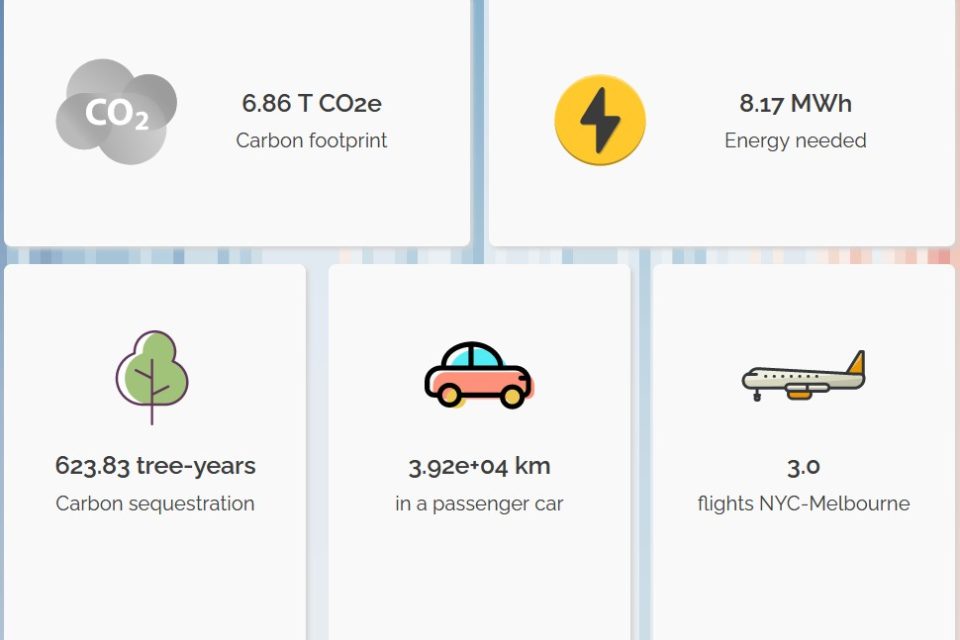
In recent years, there has been a new movement in biology and especially in phylogenetics, which looks at the carbon footprint of our computational analyses. It is called green computing or green phylogenetics. Especially supercomputers have a high energy demand, not only for the actual calculation, but also […]
Advent Calendar Day 16: The March To Land

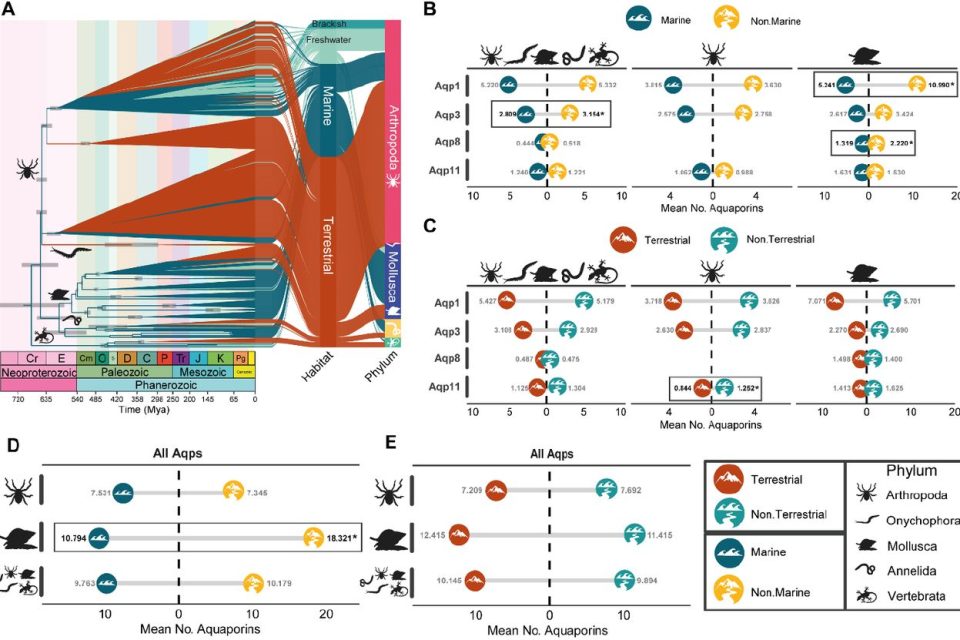
For the 16th day of our Advent Calendar, I’d like to talk about a pre-print. I thought the results were incredibly exciting and, if the article passes peer review, I assume we’ll see it in a journal in the new year! https://www.biorxiv.org/content/10.1101/2022.07.25.501387v2.full The transition from sea to land […]
Door 15: Improving marine biodiversity assessments by sampling larvae

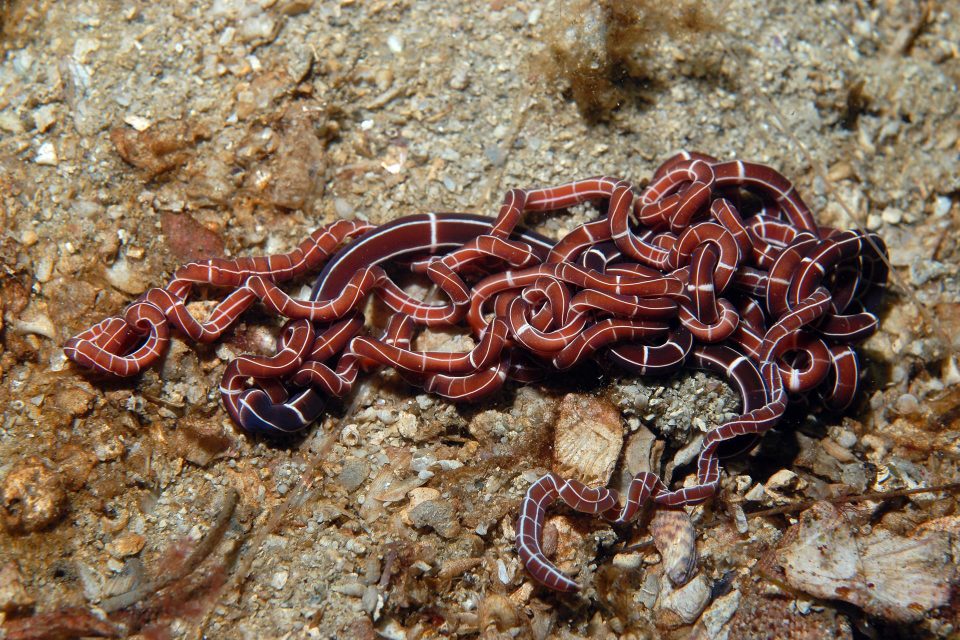
Another paper I really enjoyed reading this year was “Sampling multiple life stages significantly increases estimates of marine biodiversity”, published last April by Svetlana Maslakova and her colleagues. They argue that most surveys of marine life underestimate the total number of species because they rely almost entirely on […]

Door 14. The largest animal genus just got larger.

Today, most biologists would agree that there is no objective criterion to determine the rank of a supraspecific taxon. As a result, comparing how many species different taxa of the same rank include does not make much sense. Yet we keep doing it. Following that tradition we may […]

Door 13: Expanding Sources of DNA in Museums

Author: Rita Austin (former group member) Diverse museum holdings offer unique and exciting potential sources of ancient DNA and other biomolecules (e.g., RNA and proteins). As technology and methods advance, the accessibility and potential for success of ancient DNA has also increased; alongside the attainment of ancient DNA […]

Door 12: Measuring Functional Diversity

Currently, the UN Biodiversity Conference (COP15) is going on in Montreal, Canada. Again a COP soon after an earlier COP, namely the UN Climate Change Conference (COP27) has been held in November in Sharm-El-Sheick, Egypt. For many of us, including myself, the twin crises of climate change and […]

Door 11: How can hybrid incompatibility collapse enlighten hypotheses about stasis?

Today, I would like to present to the paper by Tianzhu Xiong and James Mallet about “On the impermanence of species: The collapse of genetic incompatibilities in hybridizing populations” in Evolution. The topic of the paper is not my area of research, which are deep level phylogeny, evolutionary […]

FEZ Advent Calendar Day 10: Ten Tardis Tunning

On the 10th Day of Advent, we open the door on our calendar to a paper that brought me more than a little bit of joy to read earlier this year, Yoshida et al’s “Time-series transcriptomic screening of factors contributing to the cross-tolerance to UV radiation and anhydrobiosis […]

Door 9: Challenging the Historical Perception of Arachnid Monophyly

The arthropod subphylum of Chelicerata are made up of three classes containing extant orders: Pycnogonida (Pantopoda: the sea spiders), Merostomata (Xiphosura: the horseshoe crabs) and the diverse class of Arachnida. Although the relationships between these three have proven difficult to untangle, the historical perception of arachnid monophyly has […]

Door 8: GENESPACE tracks regions of interest and gene copy number variation across multiple genomesss multiple genomes.” Elife 11 (2022): e78526.

During this year Frontiers in Evolutionary Zoology advent calendar I have decided to briefly present you three works: a research paper, a researcher interview, and a book. The first door to which I am contributing if this quite useful method paper to whoever is currently working with whole […]

Door 7: New day, new species

One of my favourite papers this year is, logically, about two of my favourite topics: taxonomy and worms. In this paper, Lavesque et al. revise the family Terebellidae sensu stricto (a part of the spaghetti worms I presented in a previous blog post) in French waters. They review […]

Fez Advent Calendar 2022: Day 6, a stocking-filler of a phylogenetic review

For the 6th day of our Journal Review Advent Calendar, I wanted to present Jesus Lozano-Fernandez’s brilliant “A Practical Guide to Design and Assess a Phylogenetic Study”. I think reviews like this are really important – whether you’re trying to grasp a new kind of analysis for research, […]

Door 5: Immunity Genes Related to the Black Death

Published in October, startling results of natural selection in humans indicates certain immunity genes may have helped people survive the Black Death of the 1346-1350. Caused by the bacterium Yersinia pestis, bubonic plague has swept across the globe (as pandemics) numerous times over the centuries, resulting in untold […]

Door 4: Do you like floods?

When floods are mentioned, what first comes to mind is a disastrous catastrophe wrecking houses, devastating crops and, occasionally, even costing human lives. Yet, what may be a bad news for an average human could be a strike of luck for a beetle collector. Imagine flood water covering […]

Door 3: How stable can a genome be?

The answer to this question may lay in the paper I am presenting today and at some level genomes seem to be very stable. It was probably one of the most discussed papers at the museum this year. It was the topic of several journal clubs and shows […]

Door 2: Can distinction lead to extinction in birds?

Although I am working almost exclusively with marine invertebrates, one of my favourite papers this year was about birds. Hughes et al. (2022) set a quite ambitious goal: to test whether the loss of species threatened with extinction could lead to morphological and phylogenetic homogenization across the entire […]

Door 1: The origin of animals and fungi

Although frequently neglected, animals and fungi share a close evolutionary relationship. Despite the huge differences in morphology, ecology, life history and behaviour they represent the two major lineages within Opisthokonta, a clade that was earlier referred to as the “Fungi/Metazoa group” in the Tree of Life. You may […]

The FEZ Advent Calendar 2022

By now it is already a good tradition for the FEZ group at the Natural History Museum Oslo to provide in December an advent calendar blog. In previous years, the focus was on our own research and scientific output. This year we thought to take a different approach. […]