We started this blog with an advent calendar for 2020 summarizing the highlights of our research year and presenting ourselves. Since we have continued that tradition.
Category: Advent calendar
Science From Lockdown: Advent Calendar December 4th 2021
So we’re in advent again! I arrived last December to a chilly Oslo, and it feels like the year has flown by. For us, and I imagine for many of our readers too, the year has been characterised by rolling lockdowns and the steady pace towards vaccination. But […]
Staphylinid beetles of Ebu Forest, Cameroon
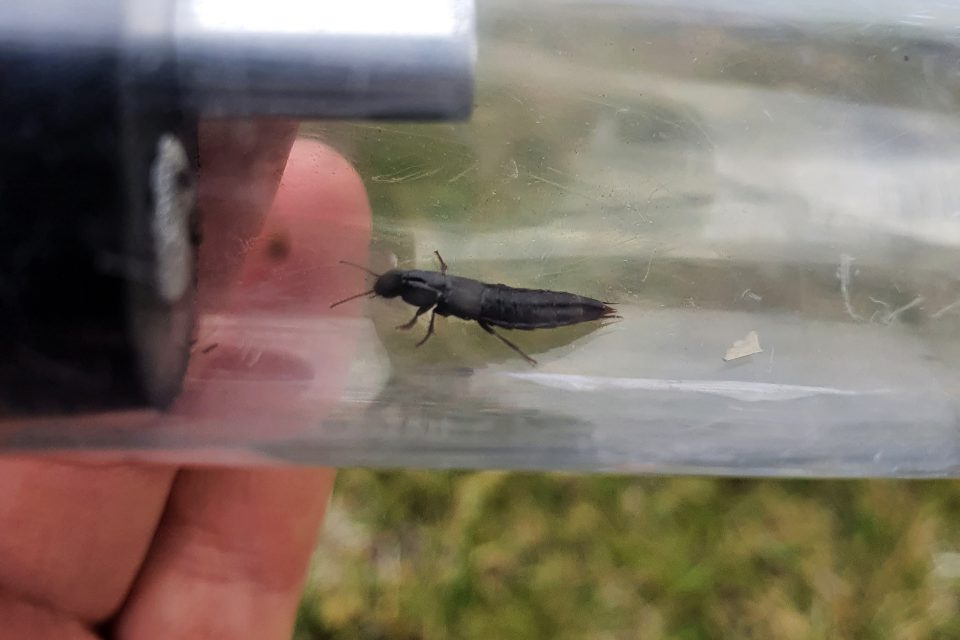
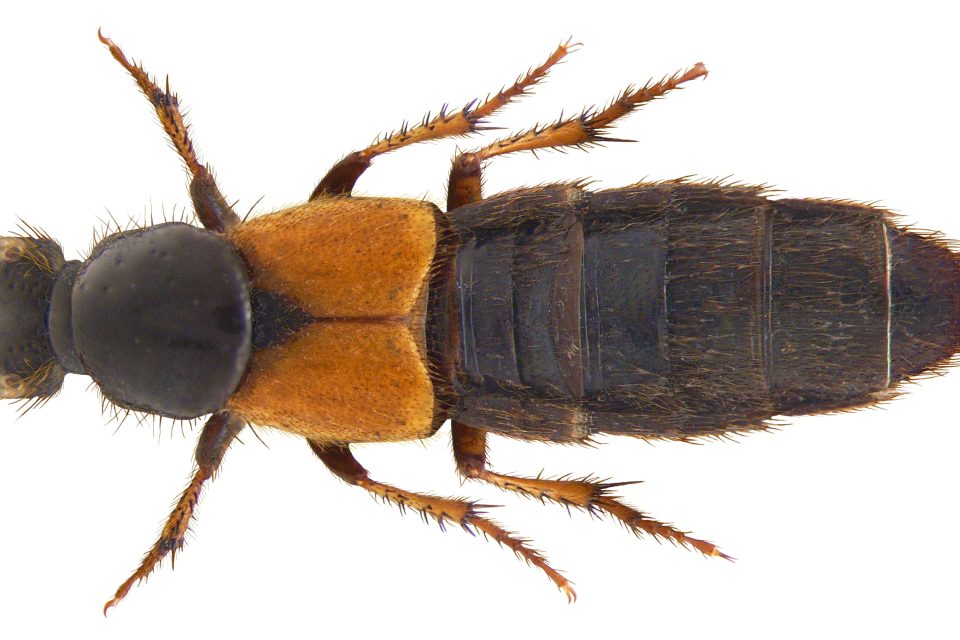
In June 2021 Vladimir Gusarov made a field trip to Cameroon. The purpose of the trip was to survey the staphylinid beetle fauna of the Ebu forest, collect samples for student projects and train a student from the University of Buea, Ms Grace M’ayuk Ojong-Nkongho. Ebu forest covers […]
Biodiversity research in the Genomics era
Sequencing technology has changed in research in biology tremendously and probably much more than any other technology before. The development from radioactivity-based to nowadays single-molecule real-time sequencing of tens of thousands of base pairs in a single go in the last three decades is on par with the […]
Opening the first door – The iconic polar bears respond to climate change
The iconic polar bear (scientific name: Ursus maritimus) has become a symbol of the threats to the ecology and life history of plants and animals from climate change. Shifts in their distributions in recent years are likely caused by the altered Arctic environment. It has, for example, been […]
International Happy Seasons
We hope you enjoyed the wrap up of the year 2020 for the FEZ group as a traditional advent calendar. While setting up the various doors we noticed that we easily could have filled many more, indicating that it was a quite successful year despite all challenges. We are […]
A tale of stone and ice
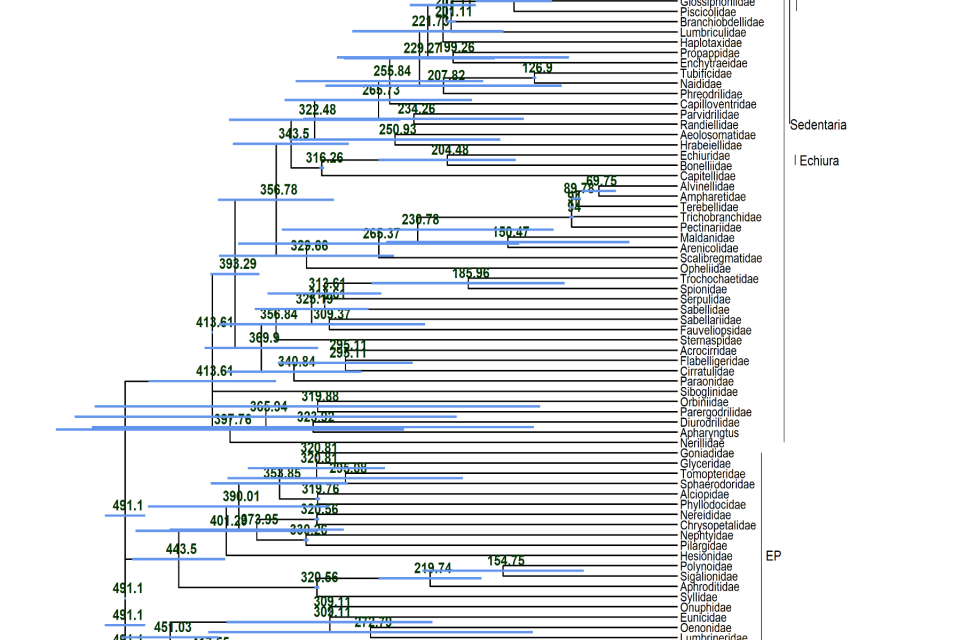
Our calendar is coming to its close and at the second-to-last day it features two Master projects, which started this year working with annelids, which are both completely computer-based making use of the SAGA supercomputer infrastructure through the command line, and all analytical programs used are monitored through […]
Probing the mud
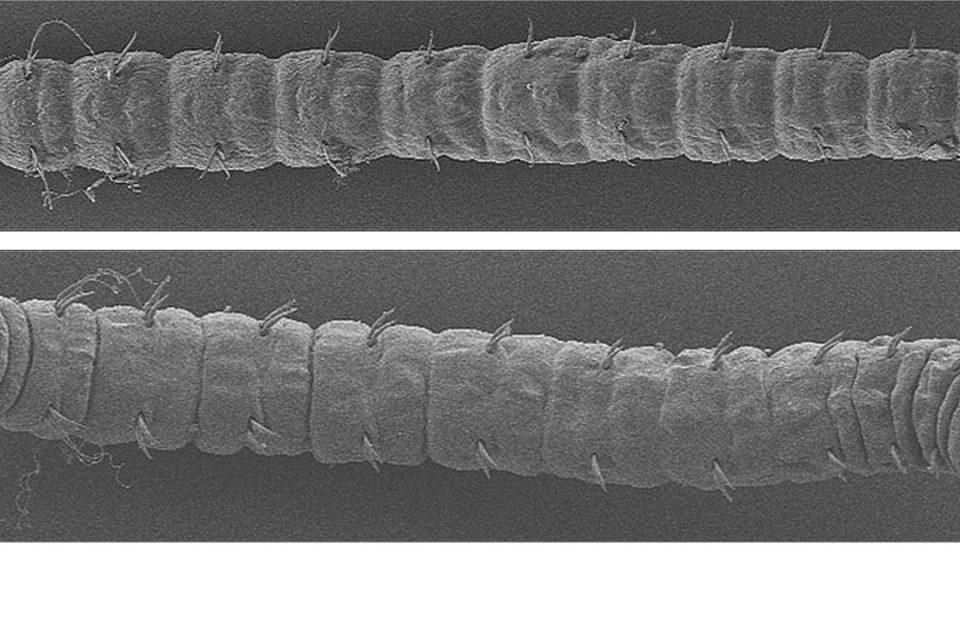
In June, Astrid Eggemoen Bang delivered her Masters thesis entitled ‘ The biodiversity of mud dragons (Kinorhyncha) in the fjords of Møre og Romsdal, Norway’ supervised by Lutz and Torsten and Jose. She assessed the biodiversity of Kinorhyncha in five selected fjords on the Norwegian Northwest coast in […]
Beetles, sheep and the Faroes
Between different lockdowns and corona restrictions, we were lucky enough to go to the Faroe Islands. The field work at the Faroe Islands was an important link for describing the Staphylinidae arrival to Iceland, given the Faroes Islands are being placed roughly midway between mainland Europe and Iceland. […]
Huge and endangered
Øystein and Lutz have worked for many years together with international partners on the genetic differentiation of bowhead whale stocks with particular emphasis on the Spitsbergen stock. The Svalbard bowhead whale population is currently classified as ‘Endangered’ by The International Union of Conservation of Nature (IUCN). Extensive hunting, […]
Combining group fun with genomic research
The aim of our InvertOmics project is to obtain high-quality genomes for different spiralian/lophotrochozoan phyla at the level required by the Earth BioGenome Project. Therefore, we will use the new PacBio HiFi technology. However, this required high-molecular-weight DNA at really high quality and in high amount. This is […]
Coming from Japan all the way to Norway
A new Postdoctoral Research Fellow has arrived in our lab this month. Over the next three years, James will be hard at work understanding the relationships between various different groups of flatworms, roundworms and molluscs. However, for the last two years, James has been up to something completely […]
Teaching in Covid times
FEZ members are also involved in academic teaching. This year, as for many others in the world it was special experience due to Covid. We will provide her an example of two Master level courses. This spring many members of the group as well as others from the […]
The intertidal beetle genus Aegialites
Last year, Marianne started her PhD-project in the FEZ-group. Marianne kick-started her project with a fieldtrip to the east-coast of USA to collect beetles. The beetles, which live in the cracks and crevices on rocky shores, proved to be difficult to find. With hammer and chisel, she managed […]
Meiofauna occuring at public swimming beaches on Nesodden
The last UiO:Life Science summer project in our group was conducted by Mari Dønnum Klausen. She investigated the distribution of meiofauna organisms along public swimming beaches on Nesodden. She herself wrote about her project on her final poster: “To be able to understand human impact on ecological systems, […]
Training in African Insect Biodiversity
The recently started FEZ project ANTENNA received funding from Diku, the Norwegian Agency for International Cooperation and Quality Enhancement in Higher Education. The network of seven universities, one research institute and one NGO, in Norway and seven countries across Africa, will provide training in modern DNA-based molecular methods […]
Never Cry Wolf
Mikkel Sinding did a joint (cotutelle) PhD at the Natural History Museums Copenhagen and Oslo. Øystein and Lutz were his supervisors on the Norwegian side. Mikkel defended his thesis entitled “Never Cry Wolf-The origin and genomic history of the indigenous Greenland dogs and wolves” in December 2017. Since […]
Beetles on the Falkland islands
Field work is an important activity for many researchers at the museum. Every field trip contributes to development of the museum collection and adds species that the collection has been lacking. Sampling in poorly studied parts of the world results in discovery of many species unknown to science. […]
Where do all the sharks live
Many marine top-predators, among them many shark species, are particularly vulnerable to environmental changes as they are contingent on the various prey species along the food chain and their responses to shifts. The porbeagle (Lamna nasus) is a large pelagic shark that inhabits cold-temperate regions of the oceans […]
From small body size to big data
You remember door 3 of our calendar where we presented the UiO:LifeScience summer project of Liepa on the speciation of intertidal beetles? FEZ was very happy to house two further UiO:LifeScience summer projects this year. Morten Rese and Vegard Myrland Alvestad explored from different starting points how to […]
Bringing museum specimens back into the light: Meet the new postdoctoral researcher molecularly exploring museum collections
Rita M. Austin, a recent addition to the FEZ group, is working as a postdoctoral researcher exploring and optimizing the recovery of museum biomolecules in the Oslo Natural History Museum collections. Rita completed her PhD earlier this year at the University of Oklahoma, where she conducted meta- and […]
Assessing biodiversity in the marine algae belt
The marine algae belt comprising kelp forests, seagrass meadows and rocky reefs with coralline red seaweeds is one of the most active primary producing environments in the sea. It also harbors are great diversity of animals including sea squirts, ribbon worms, nick worms, serpulid worms, spionid worms and […]
Did the vikings bring beetles along to Iceland?
Vetle started his MSc-project in the late parts of 2018, and continued with fieldwork in Iceland, Scotland, Norway and the Faroes. The goal of the thesis is to determine where the beetle fauna of Iceland originated from. With a thorough sampling from the northern parts of Europe, he […]
The wrong food chain
Plastic pollution has become a major threat to many marine ecosystems, and there is a need for an improved understanding of its impact on marine organisms. The Masters thesis of Gordon Breckwoldt entitled “Elasmobranchs as bioindicators? A comparative study on ingestion of plastics in the Nordic region” aimed at quantifying […]
Natural history collections in the molecular era
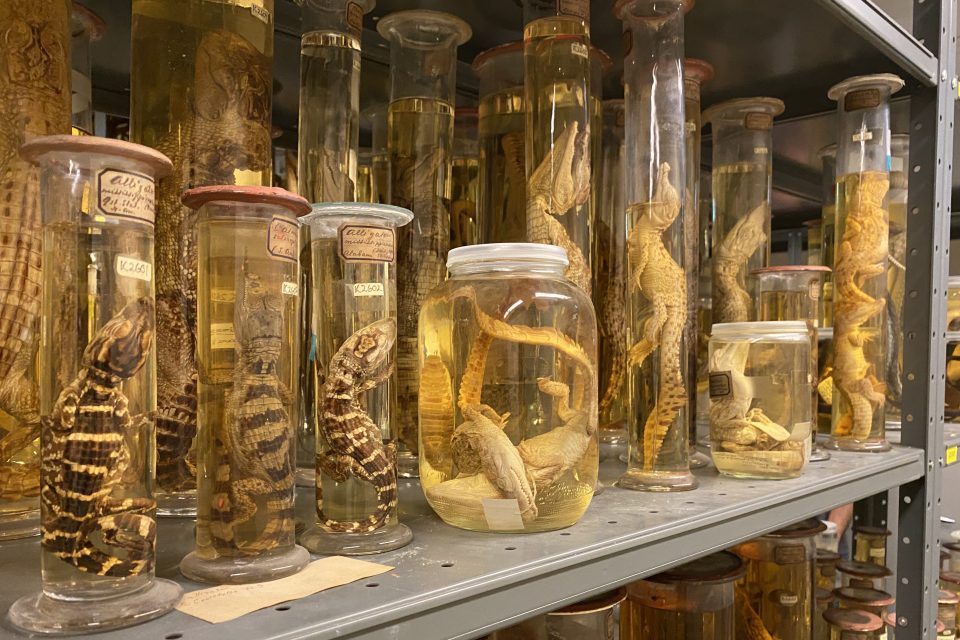
Public outreach is an important task for scientists, not only for those based at natural history museums. FEZ researchers aim at disseminating relevant topics relating to the group’s research interests to the public. In 2020, José, Torsten and Lutz published together with our colleague Arild Johnsen from the […]
A new PhD student in town
This year in September Alberto Valero-Gracia started has a new PhD student in our group. After completing a Bachelor + MSc degree at University Autónoma de Madrid (Spain) he worked as a Marie Curie researcher at the Stazione Zoologica Anton Dohrn (Italy). Throughout his time in Spain and […]