Door 12: Is AI the solution to overcome the challenges in sequencing genomes?

In 2018, Lewin et al proposed the ambitious goal to sequence a reference genome of each eukaryotic species on Earth within 10 years called the moonshot of biology. This proposal let to the establishment of the Earth Biogenome Project (EBP) and gained a lot of traction and momentum […]

Dør 12: Er KI løsningen for å overvinne utfordringene ved sekvensering av genomer?

I 2018 foreslo Lewin et al det ambisiøse målet å sekvensere et referansegenom for hver eukaryotisk art på jorden innen 10 år, kalt «moonshot of biology». Dette forslaget førte til etableringen av Earth Biogenome Project (EBP), som fikk stor oppmerksomhet og fart i etterkant. Dette førte til etableringen […]

Den unormale oppførselen til mitokondrielle genomer hos bukhårsdyr

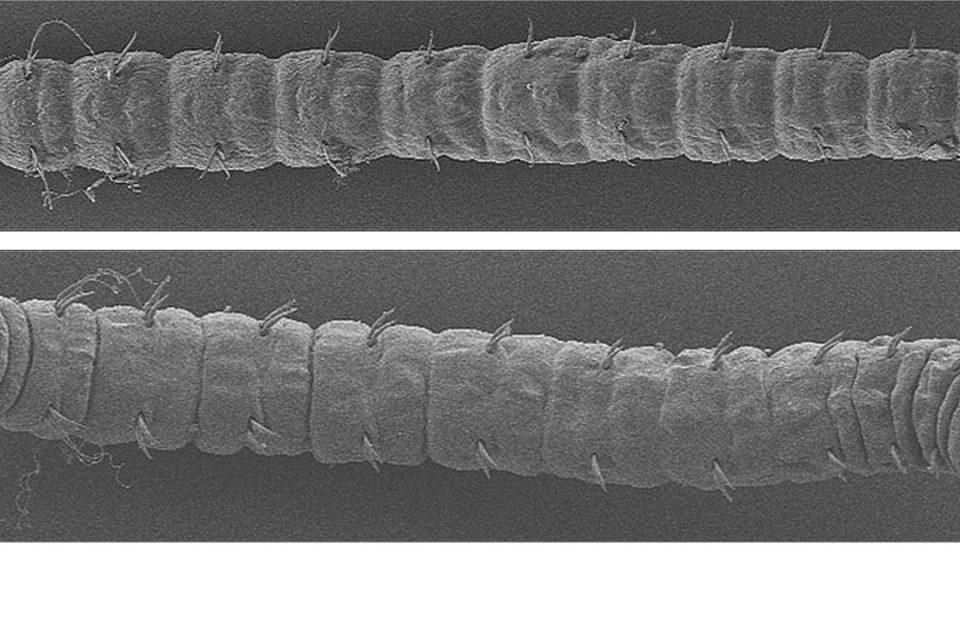
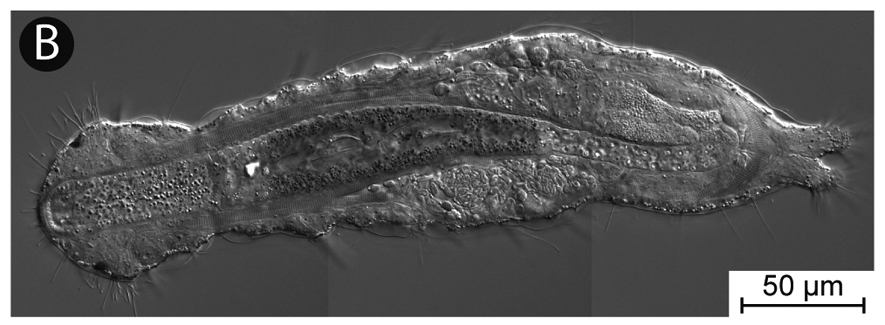
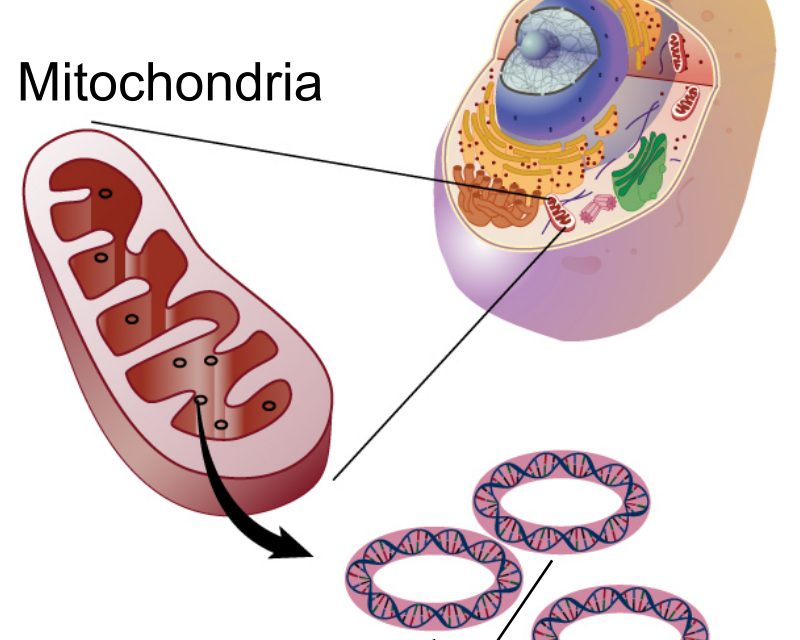
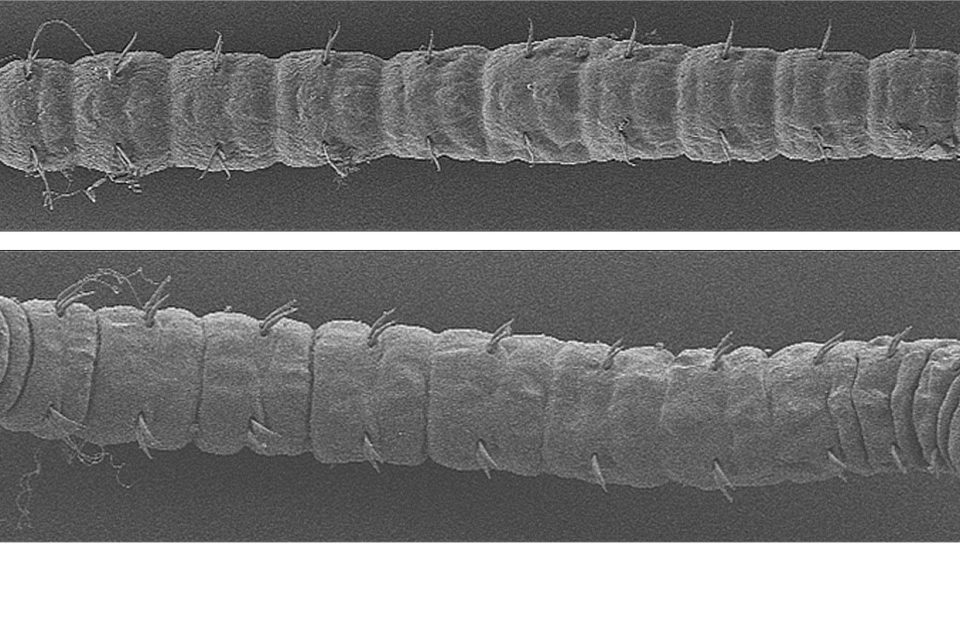
Susanna forsvarte sin masteroppgave med suksess forrige uke. I prosjektet sitt ønsket hun å undersøke utviklingen av mitokondriell genomrekkefølge hos bukhårsdyr (Gastrotricha). Gastrotricha er svært små og flate dyr, som vanligvis ikke er lengre enn 1 mm. Likevel kan de ha svært delikate strukturer på huden i form […]

The unduly behavior of the mitochondrial genomes of hairybellies

Susanna successfully defended her Master thesis last week. In her project, she wanted to address the evolution of the mitochondrial genome order of hairybellies (Gastrotricha). Gastrotricha are very tiny and flat animals, which are usually not longer than 1 mm. Nonetheless, they can have very delicate structures on […]

Hva er det neste som skjer med smådyrene?

I forrige uke publiserte vi en artikkel om meiofauna og hvorfor det er viktig å studere dem, og hvilke vitenskapelige spørsmål som bør tas opp i neste omgang. Artikkelen «Fundamental questions in meiofauna research highlight how small but ubiquitous animals can improve our understanding of Nature» ble publisert […]

What’s up next for the small animals?

Last week, we published an paper on meiofauna and why it is important to study them and which scientific questions should be addressed next. The paper “Fundamental questions in meiofauna research highlight how small but ubiquitous animals can improve our understanding of Nature” was published in Communications Biology. […]

Group of the month: Cycliophora – the ringbearers and the “Norwegian” phylum

This month I will present to you a very small phylum of animals – both in size and in number of species. The phylum Cycliophora, which means the ring-bearer, comprises exactly one genus and two described species. These species are about 350 µm in body length, which is […]

Månedens gruppe: Cycliophora – ringbærerne og den «norske» fylumet

Denne måneden vil jeg presentere en svært liten dyregruppe – både i størrelse og i antall arter. Cycliophora, som betyr ringbærer, består av nøyaktig én slekt og to beskrevne arter. Disse artene er ca. 350 µm i kroppslengde, noe som er mindre enn en halv millimeter og omtrent […]

Genomics of the small stuff – getting it done

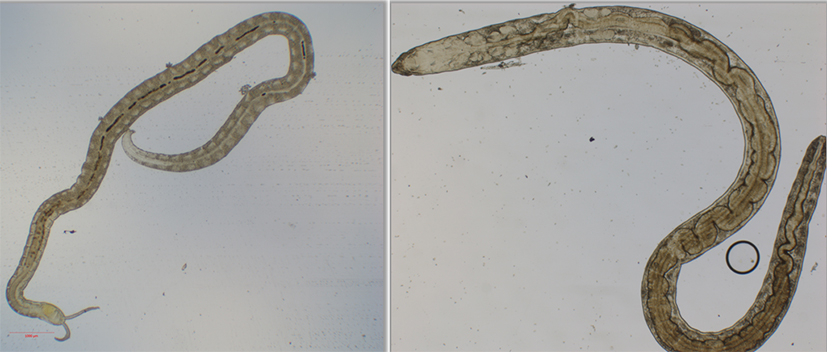
As mentioned in the first calendar door of our advents calendar this year, genomics of small animals is challenging. Yesterday, Nhu Dinh successfully finished her Master thesis but she also experienced some of the challenges related to the small animals and genomics. The problem is that some of […]

Genomikk i det små – å få det gjort

Som nevnt i den første kalenderluken i årets adventskalender, er genomikk av smådyr utfordrende. I går ble Nhu Dinh ferdig med masteroppgaven sin, men hun fikk også erfare noen av utfordringene knyttet til smådyr og genomikk. Problemet er at noen av dem er så små og har så […]