The category should be used for all English posts to allow proper display in the feed on our webpages.
Category: In English
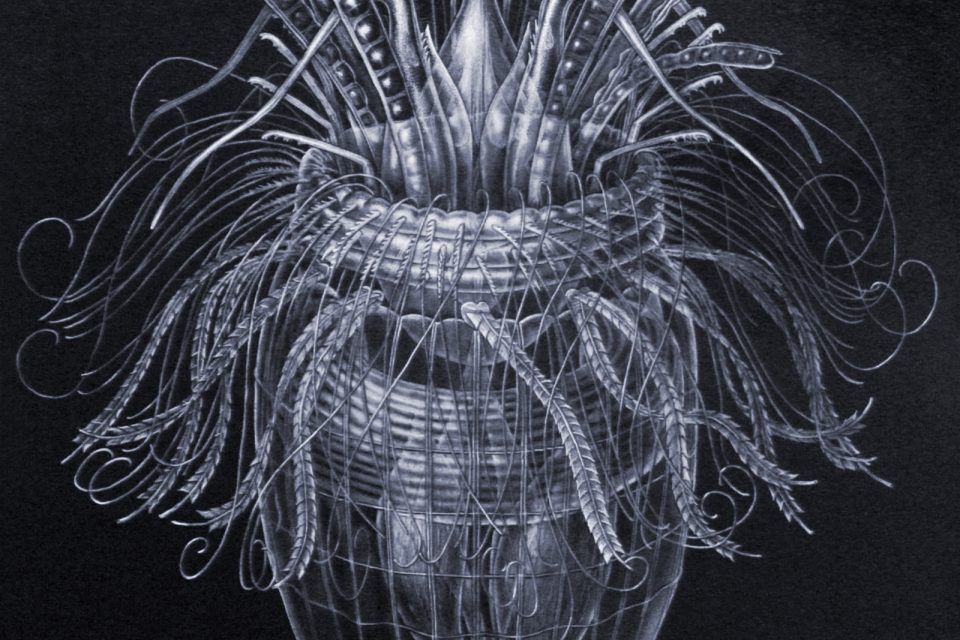
Group of the month: Loricifera
For April’s group of the month, we’re tackling a whole phylum! As phyla go, Loricifera are one of the newer kids on the block, having been first discovered in only 1983. Since then, 44 species have been named, ranging from France to Antarctica to Japan, and more are […]
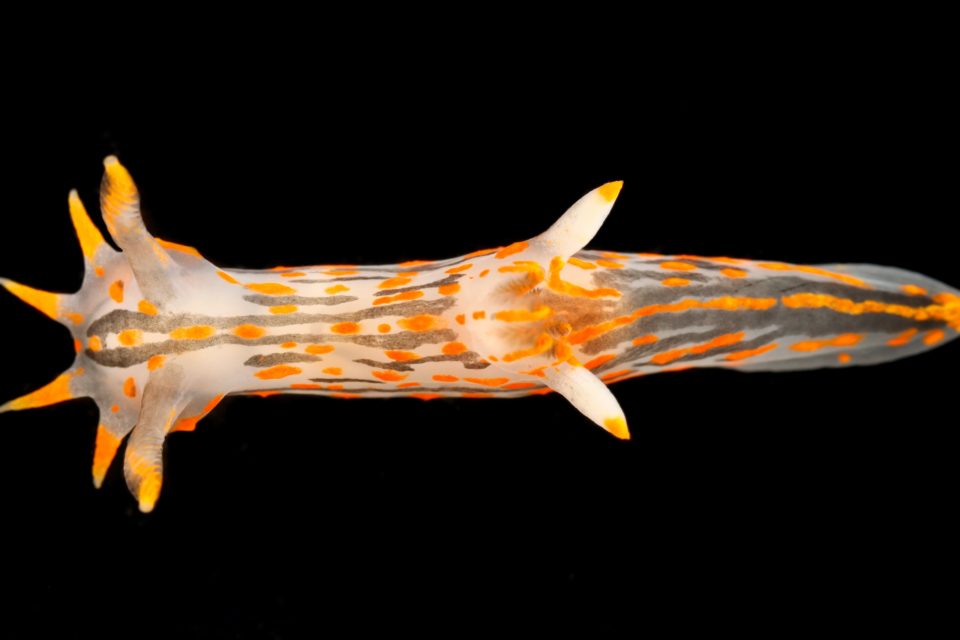
Group of the month: Nudibranchs
This month, I would like to present something different from my usual worms: the nudibranchs (order nudibranchia), otherwise known as sea slugs. They are not an organism I have ever studied or worked with, but I encounter them regularly while looking for worms. And one thing I particularly […]
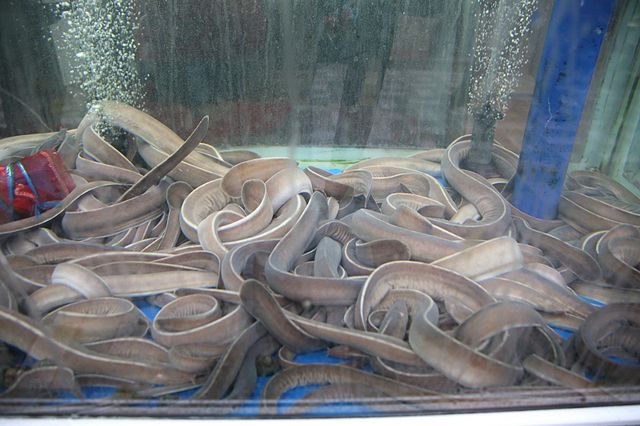
Stories from Slime Eels: How the Hagfish Helps Us Understand Humans
Hagfish, or “Slime Eels” (Slimåler in Norwegian, helpfully), are a group of deep-sea living fish that are most famous for the truly apocalyptic amounts of slime they can release when disturbed. In South Korea, they are eaten as a delicacy (and they are very nice – a bit […]
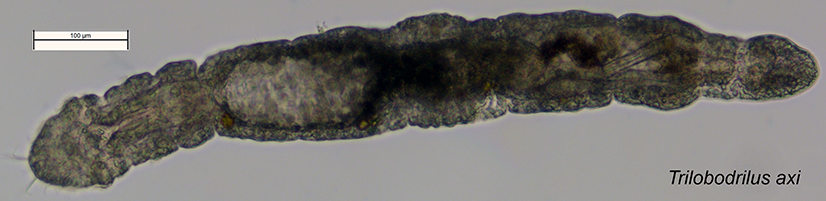
Group of the month: Dinophilidae
The group of the month I would like to introduce to you today is a group I have a close personal connection with. The group goes back a long way with me. I will present you the annelid family Dinophilidae. After my Diploma thesis (today Master thesis) on […]
New year – new name; FEZ is now CEG
As written in our last blog of the advent calendar, we had many changes already last year with a new group leader and a new group webpage, which we is still develop further this year. However, another change becoming effective this year is that we change the name […]
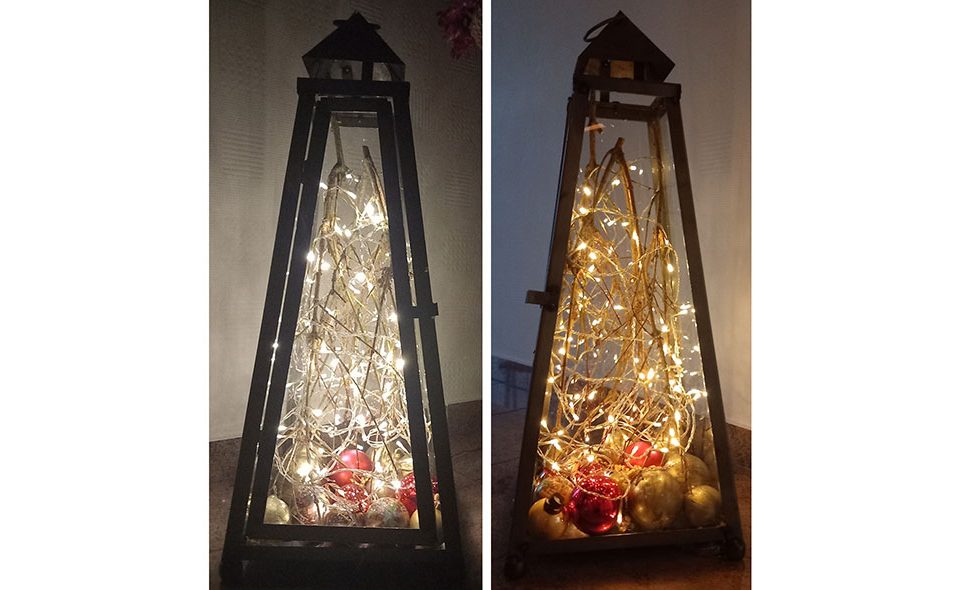
Door 24: God Jul, Merry Christmas
Today opens the last door of our advent calendar and we are looking forward to a few holidays and relaxing time with families and friends. In Norway, it is also a good tradition to look back at the year before Christmas, called “Juleavslutning” (Christmas Gathering). Hence, as the […]
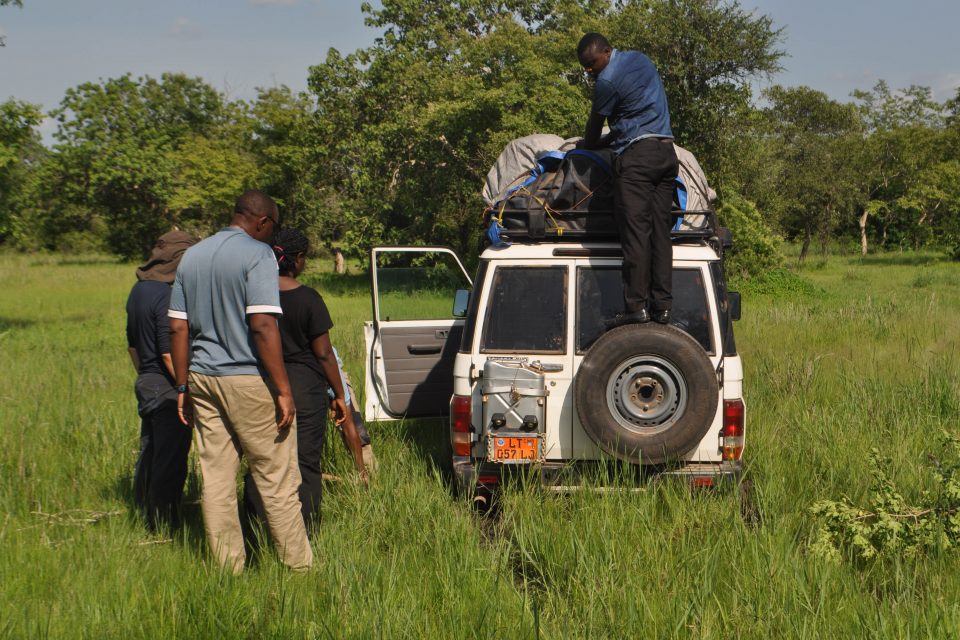
Door 23: Insect survey in the Mozogo Gokoro National Park, Cameroon
In Summer 2023, our ANTENNA project team composed of entomologists from the University of Buea, University of Maroua and University of Oslo surveyed insect fauna of the Mozogo Gokoro National Park, Northern Cameroon. As one can see in the satellite photo, the park is located in the savannah […]